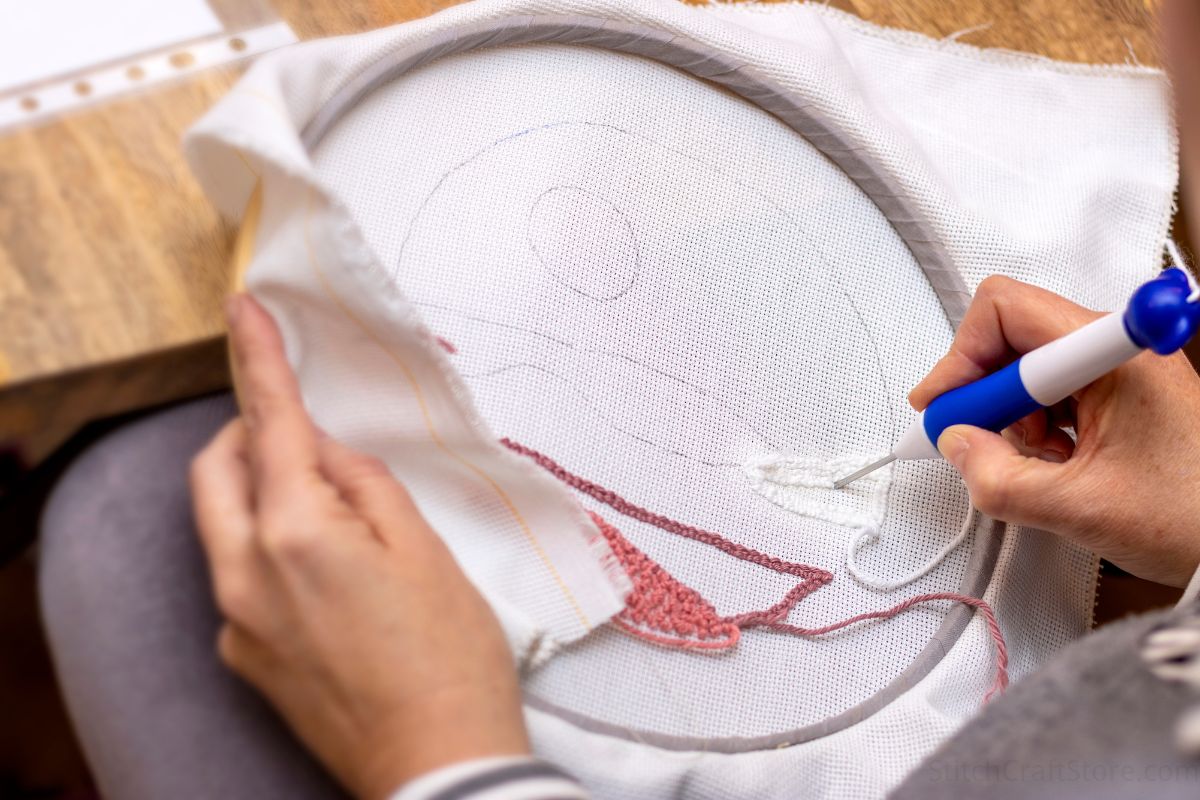
Needle punch is a fun and versatile form of textile art that lets you get creative. Picking the right fabric for your needle punch projects is key to achieving good results, especially if you’re just starting out. Each fabric has its own qualities that can either help or hinder your work.
Let’s take a look at the popular fabrics that needle punch artists love, balancing both quality and affordability. Choosing the right fabric can lead to better artistry, easier projects, and nicer finished pieces. Whether you need durability, detailed designs, or something budget-friendly, the right fabric makes a big difference.
Let’s explore the world of needle punch fabrics and find the perfect one for you.
Why Fabric Choice Matters in Needle Punch
Choosing the right fabric for needle punch is crucial because it directly influences your crafting experience and the quality of your final artwork. The fabric acts as the foundation of your project, determining how smooth or challenging the needle punching process will be. For beginners and seasoned needle punch artists alike, selecting an appropriate fabric can mean the difference between effortlessly creating beautiful designs and struggling with frustration.
- Weave and Density: Fabrics with a tighter weave can support more intricate and detailed designs, while those with a looser weave are more forgiving and easier to work with for larger, less complex patterns.
- Texture: A smoother fabric allows for a more fluid needle punching motion, reducing hand fatigue during long crafting sessions. Conversely, a coarser texture can add a unique, tactile dimension to your work, contributing to the overall aesthetic of your project.
- Durability and Care: Needle punch projects often involve significant handling and manipulation, so picking a fabric that can withstand such treatment without fraying or stretching is essential.
Quality fabric ensures your loops stay in place, maintaining the integrity and appearance of your piece over time. Additionally, considering how the fabric can be cleaned and maintained will help ensure your piece remains pristine for years to come.
Top Fabrics Loved by Needle Punch Artists
In this section, I’ll introduce you to the top fabrics cherished by both novice and seasoned needle punch artists. Each type of fabric offers unique characteristics that cater to different styles and projects. Let’s delve into what makes these fabrics stand out.
Simple comparison:
| Fabric Type | Characteristics | Best For | Cost |
|---|---|---|---|
| Cotton | Soft, natural fiber, comes in various weaves | Versatile projects, beginner-friendly | $$ |
| Burlap | Rustic, durable, made from jute | Rugged designs, rustic aesthetics | $ |
| Monk’s Cloth | Even weave, highly durable | Professional projects, detailed work | $$$ |
| Linen | Luxurious, smooth texture, natural fiber | Intricate designs, high-end projects | $$$$ |
| Polyester Felt | Affordable, easily available, comes in various colors | Budget-friendly projects, beginners | $ |
Cotton: A Versatile Choice for Beginners
Cotton is a great choice for those new to needle punch. It’s soft and easy to work with, which helps avoid needle breakages and makes crafting smoother. Plus, you can find cotton in many colors and patterns.
One big advantage of cotton is its versatility. It works well for many projects like wall hangings, pillows, and bags. This means beginners can try different techniques and projects without switching fabrics.
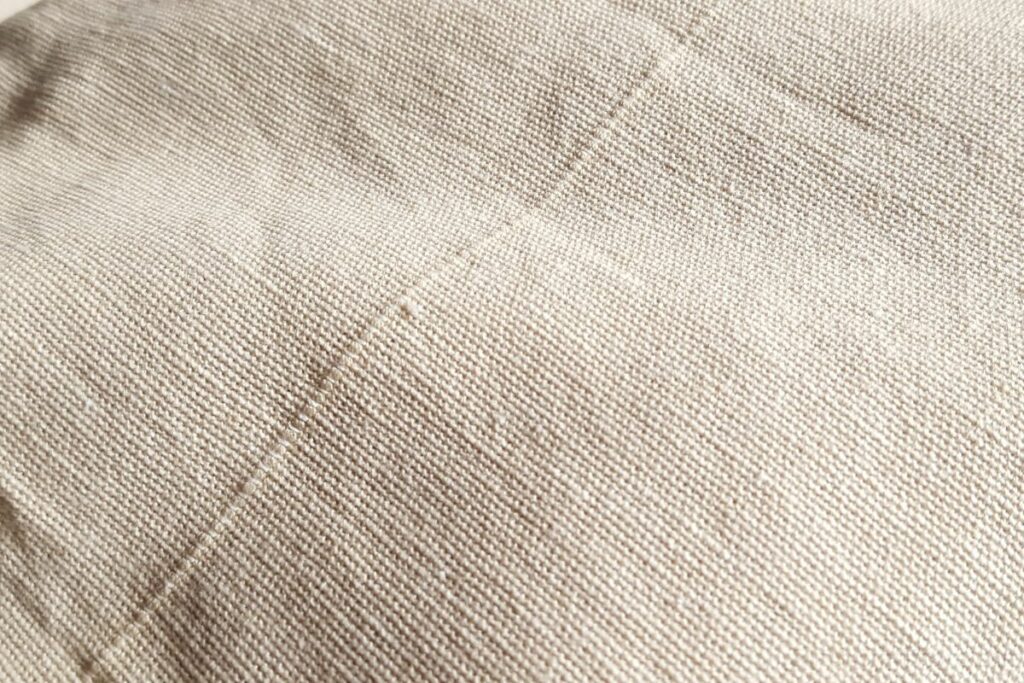
Also, cotton is affordable, making it a good option for beginners who are just practicing. You can even use old cotton clothes or linens, giving new life to old fabric.
When using cotton, choose a fabric with a tight weave. A tighter weave supports your needle punch loops better, keeping your designs intact. Look for cotton that’s made for crafting or embroidery for the best results.
In summary, cotton’s availability, low cost, and versatility make it the best fabric for beginners. Its easy-to-use nature helps new needle punchers focus on improving their skills and creating beautiful projects without worrying too much about fabric issues.
Burlap: A Rustic and Durable Option
Burlap is a great fabric for needle punch if you want a rustic look. It’s strong and durable, so it’s good for projects that will get a lot of use.
From my experience, the rough texture of burlap gives a nice resistance when you use a needle punch tool. This helps you make even loops and detailed patterns, which is great for beginners. The natural look of burlap is perfect for all kinds of projects, like wall hangings, pillow covers, and tote bags.
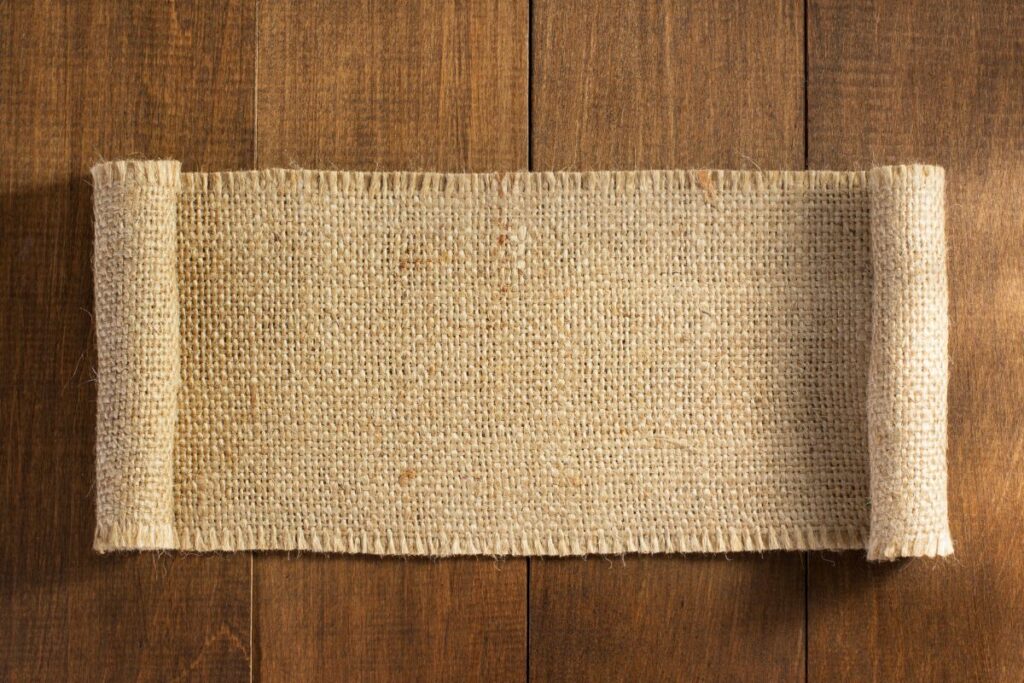
But, burlap can be rough on your hands. You might want to use a thimble or finger protectors if you’re working on a big project. Also, burlap can shed fibers, so it’s smart to finish the edges with a zigzag stitch or a serger to stop fraying.
In summary, burlap is a tough, versatile, and attractive fabric. Many needle punch artists love it for a reason.
Monk’s Cloth: The Go-To Fabric for Needle Punch Pros
Monk’s Cloth boasts a highly consistent weave. This consistency translates to incredibly smooth needle punching, an essential factor for achieving beautifully even loops. Additionally, the sturdiness of Monk’s Cloth means it can withstand the tension and pressure exerted during needlework, maintaining its form without tearing.
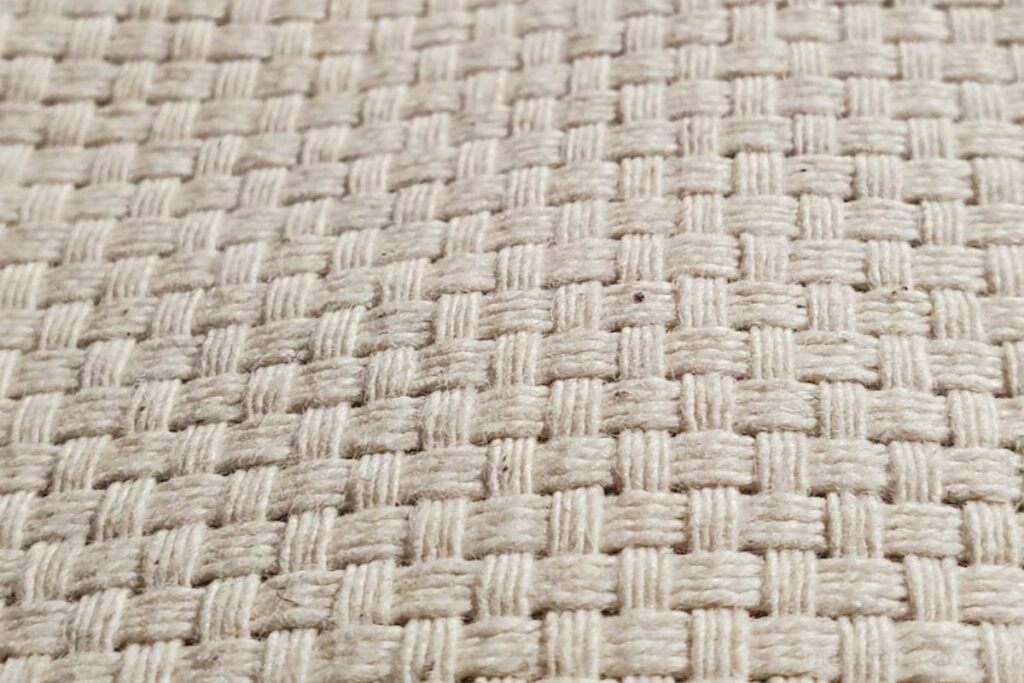
Moreover, the fabric features a grid-like pattern, which serves as a helpful guide for needle punch projects. This built-in guideline can be a game changer, ensuring that your designs remain symmetrical and professional-looking. While Monk’s Cloth may be pricier compared to other options, its superior quality and longevity justify the investment.
In my experience, there’s no replacement for Monk’s Cloth when striving for impeccable, long-lasting results. This fabric is a staple in my toolkit, and I couldn’t recommend it more highly.
Linen: The Luxurious Fabric for Intricate Designs
When crafting intricate designs, linen is a top choice. Its nice texture and natural shine add elegance to any needle punch project. Linen’s smooth surface and tight weave allow for precise punches, making detailed work easier and more enjoyable.
In my experience, linen is not just beautiful but also very durable. The strong fibers resist wear and tear, so your creations last longer. This makes it great for high-quality pieces that need to withstand a lot of handling.
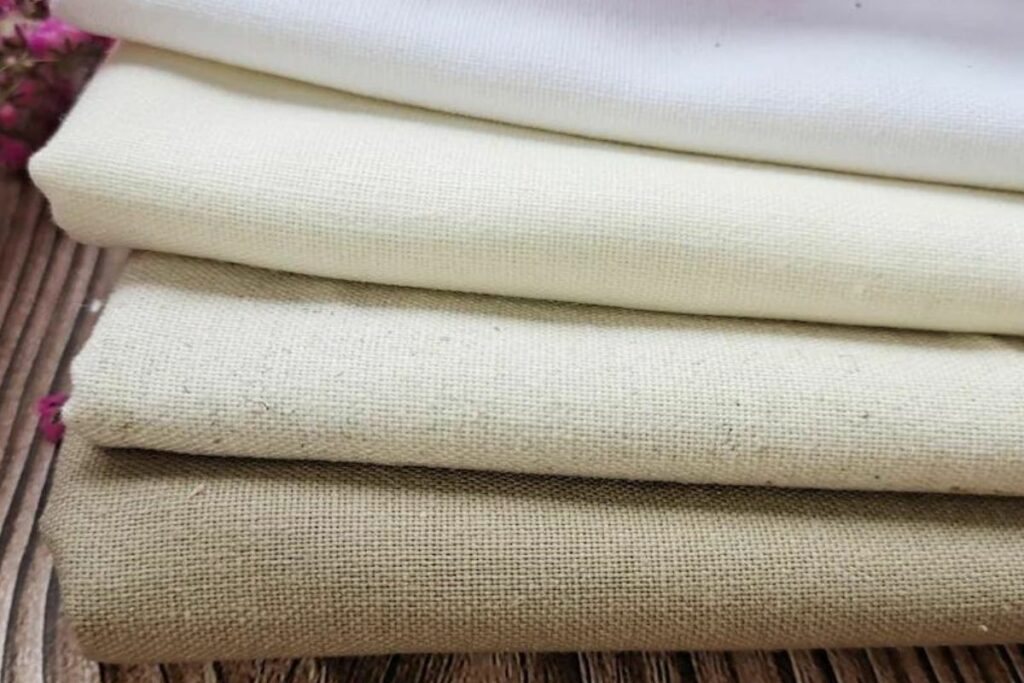
Additionally, linen is a natural and breathable fabric, offering a comfortable stitching experience. It doesn’t trap heat, keeping your hands cool even during long crafting sessions. Linen is versatile and can be used for various projects, from home decor to personalized gifts.
If you want high-quality linen, I recommend buying from sellers like Zelouf Fabrics or LXINSHU. They offer different weights and blends, so you can find what you need for your project. Working with linen will elevate your needle punch art to new levels of sophistication.
Polyester Felt: Economical and Accessible
When it comes to saving money and being easy to find, polyester felt is a go-to choice for needle punch beginners. It’s cheap and you can find it in many craft stores or online.
Polyester felt is strong and lasts a long time. It’s tough against chemicals and won’t wear out easily. Plus, it handles dry heat well, so you can use it in different settings.
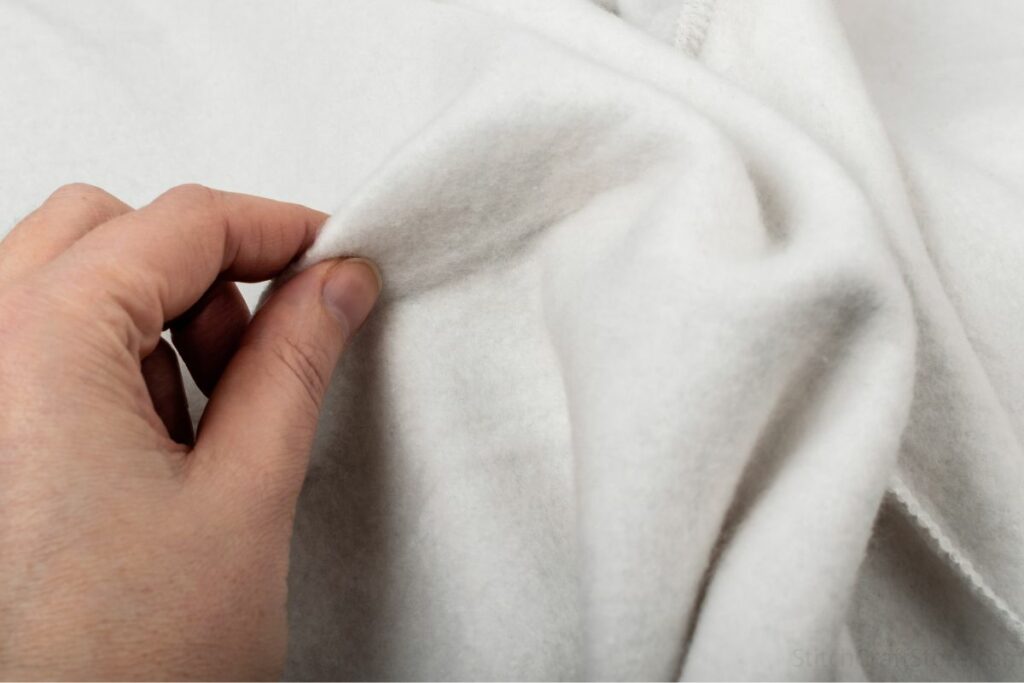
Even though it’s affordable, polyester felt is high quality. It comes in fun styles like embossed, glitter, and glow-in-the-dark, which gives you lots of creative options. Whether you’re making detailed patterns or simple designs, its stable structure keeps your loops in place, so they don’t slip or shift.
This fabric is also easy to use. Its smooth texture is nice to work with, and it doesn’t fray much, so you can focus more on your art instead of worrying about finishing the edges.
To sum up, polyester felt is a versatile, strong, and cheap fabric that’s great for anyone starting needle punch. Its mix of price, availability, and performance makes it a must-have for your crafting toolkit.
How to Test Fabric Quality for Needle Punch
Testing the quality of fabric before starting your needle punch project is key to getting great results. Here’s a simple approach you can follow to see if your fabric is good:
1. Feel the Texture
Start by touching the fabric. Good fabric for needle punch should feel smooth and even. Fabrics like cotton, linen, and monk’s cloth usually have a consistent texture, which helps you make clean stitches. Stay away from fabrics that feel rough or too thin, as these can be hard to work with.
2. Check the Weave
Look at the weave of the fabric by holding it up to the light. You should see a regular pattern of threads. Look for with fabrics a tight, even weave, especially for detailed designs. For example, monk’s cloth has a unique four-thread over, four-thread under weave, which makes it popular among needle punch artists.
3. Conduct a Stretch Test
Gently stretch the fabric and see how it reacts. Good fabric should stretch a bit without losing its shape. Too much stretch can ruin your needlework, while very stiff fabrics might not work smoothly with your needle punch tool. Linen and cotton usually have the right amount of stretch.
4. Consider the Weight
The weight of the fabric is important. Light to medium-weight fabrics are best for needle punch. Heavier fabrics can be tougher and may be harder to punch through. If you’re using polyester felt, choose weights between 16 oz to 18 oz per square yard for best results.
5. Test with Your Needle Punch Tool
Finally, try using your needle punch tool on a small piece of the fabric. See if the fabric holds the loops well and if the tool moves through it easily. This test is important to make sure you’ve picked the right material for your project.
Where to Buy the Best Fabrics for Needle Punch
Finding the best fabric for needle punch can be an exciting journey. Whether you’re a beginner or an expert, there are great places to find quality fabrics.
Local Craft Stores: Local craft stores like Joann Fabrics and Michaels are great places to find needle punch fabrics. They offer a variety of fabrics, from beginner-friendly polyester felt to high-quality monk’s cloth. Plus, you can touch the fabrics to check their texture and weave.
Specialty Fabric Shops: For specific or high-end fabrics, specialty fabric shops are ideal. Stores like Zelouf Fabrics offer a great selection, including luxurious linen and versatile cotton. These shops might be a bit more expensive, but the quality is usually top-notch.
Online Retailers: Online stores like Amazon, Etsy, and Fabric.com provide a wide range of needle punch fabrics. Shopping online lets you compare prices, read reviews, and sometimes order swatches to test before buying. Sellers like JINCEDA and ICE FABRIC have diverse selections on these platforms.
Eco-Friendly Option: For eco-conscious buyers, consider shops that specialize in recycled fabrics. These stores offer materials that are good for the environment and suitable for needle punching. You might find unique textures and colors that enhance your projects.
Your choice of where to buy fabric will depend on your needs and budget. Explore these options to find the perfect fabric for your next needle punch creation.