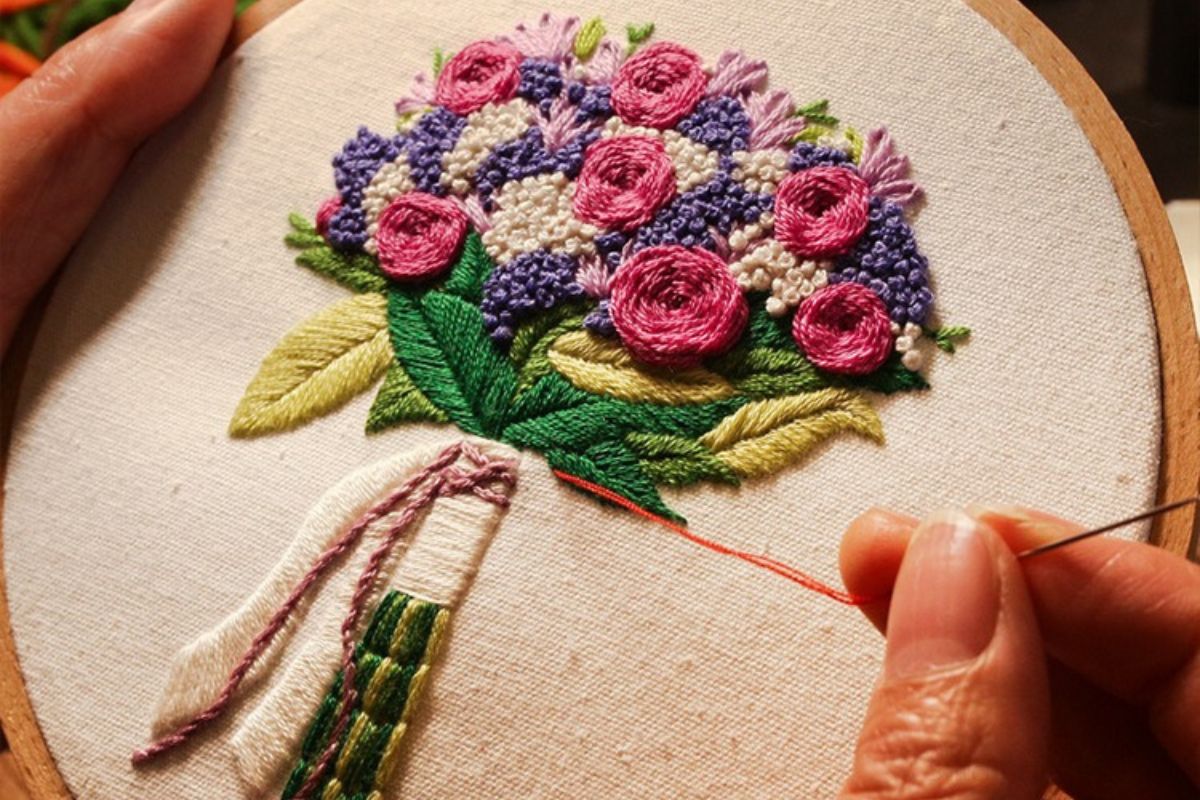
Embroidery is a craft passed down through generations, adding a personal touch to fabrics. Many wonder, “Are embroidery kits easy?” This article will answer that and compare different stitch crafts. Embroidery, cross-stitch, and needlepoint offer creativity and relaxation. As someone with years of experience, I can share how easy and fun these kits can be.
Before you dive into the world of stitch crafts, it’s essential to understand the tools, techniques, and nuances that make each one unique. Whether you’re a complete novice or looking to expand your crafting repertoire, this guide will help you make an informed choice.
Essential Tools And Materials For Embroidery
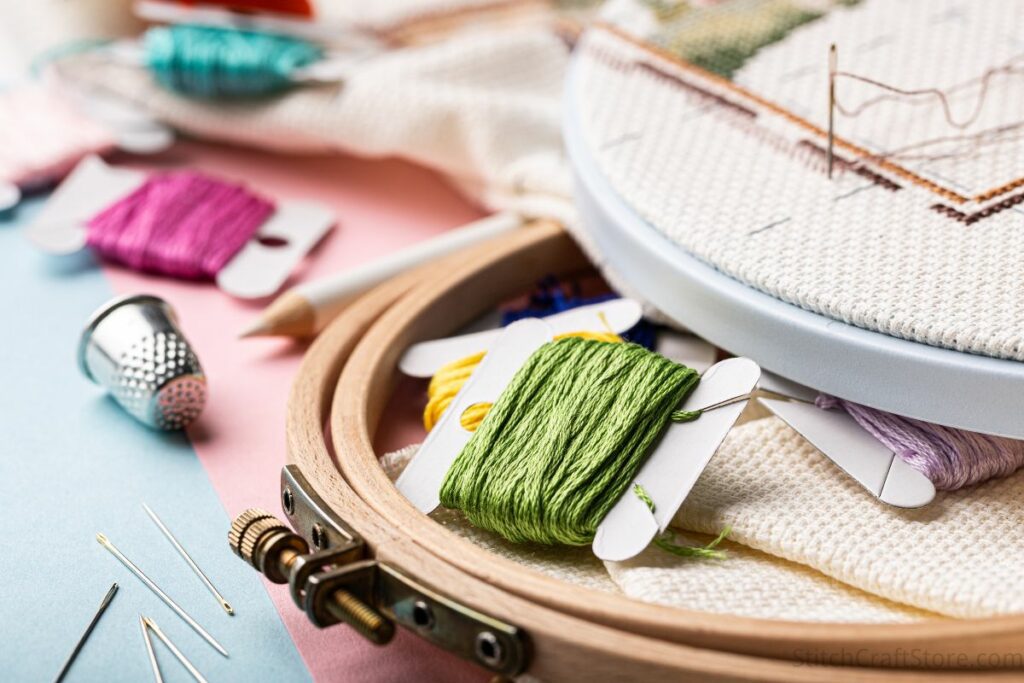
- Needle: The needle is a key tool in embroidery. Choose one depending on your fabric and thread. Embroidery needles usually have a larger eye to fit thicker threads. Beginners can start with a variety pack to find the best fit.
- Hoop: An embroidery hoop keeps your fabric tight. This ensures even tension as you stitch. Hoops come in plastic, bamboo, and wood. Wooden hoops are my favorite because they grip well and make stitching easier.
- Threads: Embroidery threads come in many colors and types like cotton, silk, and metallic. Beginners often use six-strand cotton floss, which is easy to handle. For big projects, get a thread organizer to avoid tangles and keep everything sorted.
- Scissors: A small, sharp pair of embroidery scissors is essential. They cut threads cleanly without fraying. A good quality pair will save you time and effort.
- Fabric: Your fabric choice affects your embroidery. Common options are cotton, linen, and special ground fabrics. Cotton is a good starting point because it’s easy to work with and widely available.
Are Embroidery Kits Easy To Use?
Embroidery kits are designed with beginners in mind, often including everything you need to get started: pre-printed fabric, a selection of threads, needles, and detailed instructions. The guided nature of these kits can make the learning curve significantly less steep and more enjoyable. The key lies in choosing the right kit for your skill level and interests.
If you want a fuller walkthrough, see how to use an embroidery kit.
When you’re new to the world of stitching crafts, one common question that arises is, “Are embroidery kits easy?” The short answer is yes, but let’s dive a bit deeper.
“Embroidery kits provide a structured and convenient entry point into the art of embroidery. They demystify the process and help build confidence in beginners.” – My experience as a seasoned embroiderer
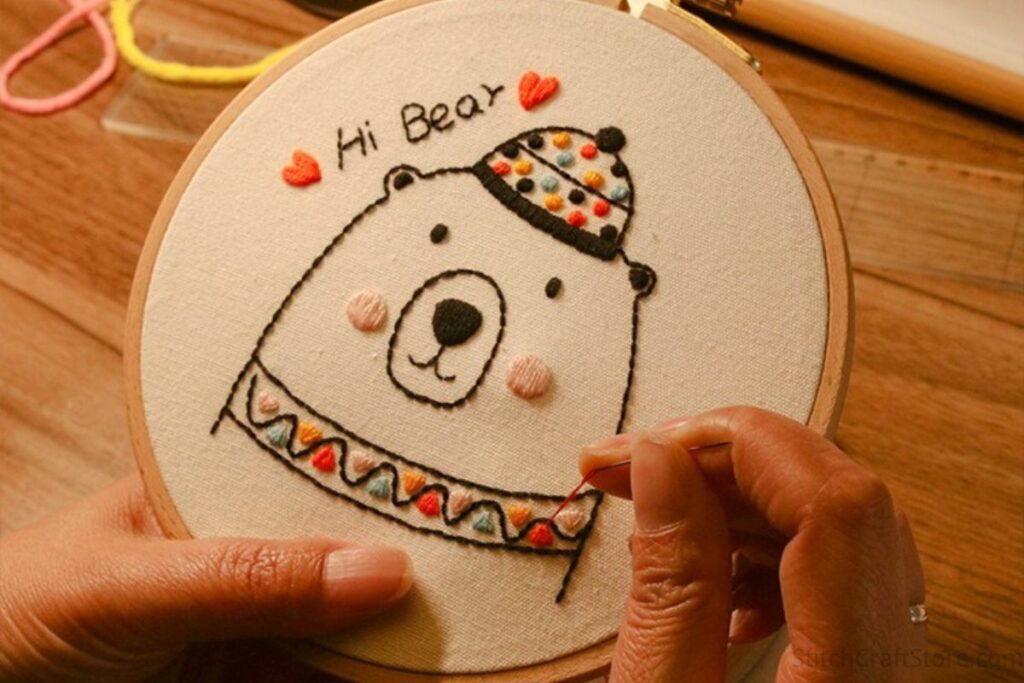
Here’s what makes embroidery kits particularly beginner-friendly:
- Pre-printed fabric: The fabric often comes with a pre-printed design, eliminating the need for freehand drawing which can be daunting for newcomers.
- Comprehensive instructions: Step-by-step guides are usually included, breaking down each stitch and step to make the process straightforward.
- All-in-one supplies: Kits typically come with all necessary materials, ensuring you don’t need to hunt for specific items and can focus on learning.
These features combine to create an accessible and less intimidating introduction to the craft, allowing you to focus on building your skills and enjoying the creative process.
Choosing The Perfect Embroidery Kit
Finding the perfect embroidery kit can truly set the stage for a fulfilling creative experience. Firstly, consider your skill level. Are you a beginner, intermediate, or advanced embroiderer? Many kits, like the Butterfly Thread Painting Embroidery Kit, cater specifically to novices with detailed instructions and essential tools included. Materials matter too; high-quality kits often feature premium threads and fabrics, which can make a noticeable difference in the final outcome. It’s also worth noting that designer kits, although pricier, frequently come with thoughtfully selected materials and intricate designs.
Another key factor is the subject matter. Choose something that inspires you, whether it’s florals, animals, or abstract designs. Kits like the Embroidery Butterfly Brooch Kit meld practical applications with artistic flair. Finally, check if the kit includes everything you need, such as needles, beads, and printed designs. This completeness can streamline your process, letting you dive right into the joy of stitching.
Understanding Basic Embroidery Stitches
Embroidery stitches are at the core of any embroidery project. Whether you’re a novice or a seasoned stitcher, mastering these basic stitches will set a strong foundation for your work. Here are some essential stitches to get you started:
- Running Stitch: This simple stitch creates a dashed line effect and is often the first stitch beginners learn. It’s perfect for outlining designs and creating borders.
- Backstitch: Ideal for outlining and adding details, the backstitch forms a continuous line, making it more durable and defined than the running stitch.
- Satin Stitch: Used to fill in areas with solid color, the satin stitch results in a smooth, satin-like finish. It requires careful attention to spacing and tension but adds a professional touch to any piece.
- French Knot: The French knot is a versatile stitch that adds texture and dimension. It’s often used to create small dots, such as the centers of flowers or decorative accents.
- Chain Stitch: Recognized by its interlinked loops, the chain stitch is excellent for creating outlines, decorative borders, and chain-like patterns.
- Stem Stitch: As the name suggests, this stitch resembles a plant stem and is commonly used for outlining and creating organic, flowing lines.
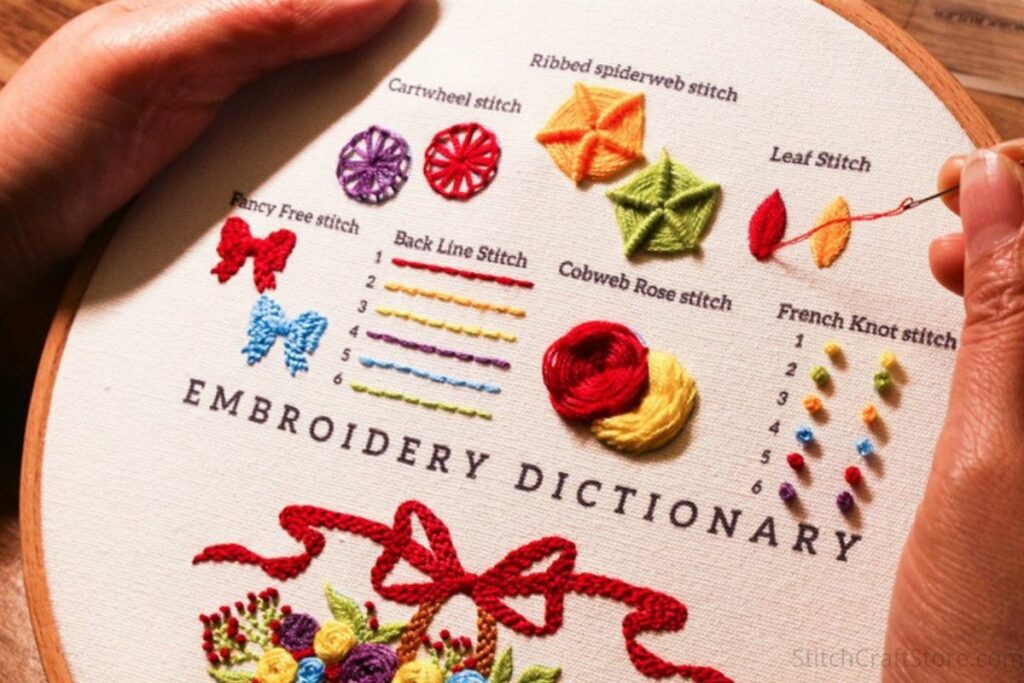
Once you have a good grip on these basic stitches, you’ll find yourself equipped to tackle more complex patterns and techniques. Each stitch has its unique charm and purpose, contributing to the rich tapestry of your embroidered creations. Practice these stitches regularly, and you’ll not only enhance your skills but also gain confidence in experimenting with more advanced designs.
Tips And Tricks For Beginner Embroiderers
Starting your embroidery journey can feel overwhelming, but it doesn’t have to be. Here are some practical tips and tricks to help you navigate through your first projects with ease:
- Begin with Simple Patterns: Start with easy designs that use basic stitches like the backstitch, running stitch, and satin stitch. You can gradually move to more complex projects as you gain confidence.
- Invest in Quality Tools: While it might be tempting to go for the cheapest options, investing in good-quality embroidery hoops, needles, and threads can make a significant difference in your overall experience and the final product.
- Keep Your Fabric Taut: Always ensure your fabric is firmly secured in the hoop. Loose fabric can distort your stitches and make the process more frustrating than it needs to be.
- Use a Thread Conditioner: Products like beeswax or specialized thread conditioners can help prevent your threads from tangling and fraying, making stitching smoother.
- Practice Makes Perfect: Don’t be disheartened if your first few attempts aren’t perfect. Practice regularly, and you’ll see improvements in your technique and the overall look of your embroidery.
- Watch Tutorials: There are plenty of online videos and courses that can provide visual guidance and helpful tips on improving your skills.
- Keep Your Work Area Organized: Having a tidy workspace with all your tools and materials laid out can significantly enhance your efficiency and enjoyment.
Everyone’s embroidery journey is unique, so take your time, enjoy the process, and remember that each stitch brings you closer to mastering this beautiful craft.
Exploring Other Stitch Crafts: Cross-Stitch vs. Embroidery
When diving into the world of stitch crafts, you’ll quickly notice the distinct characteristics between cross-stitch and embroidery. While both are rewarding, they cater to different preferences and skill sets.
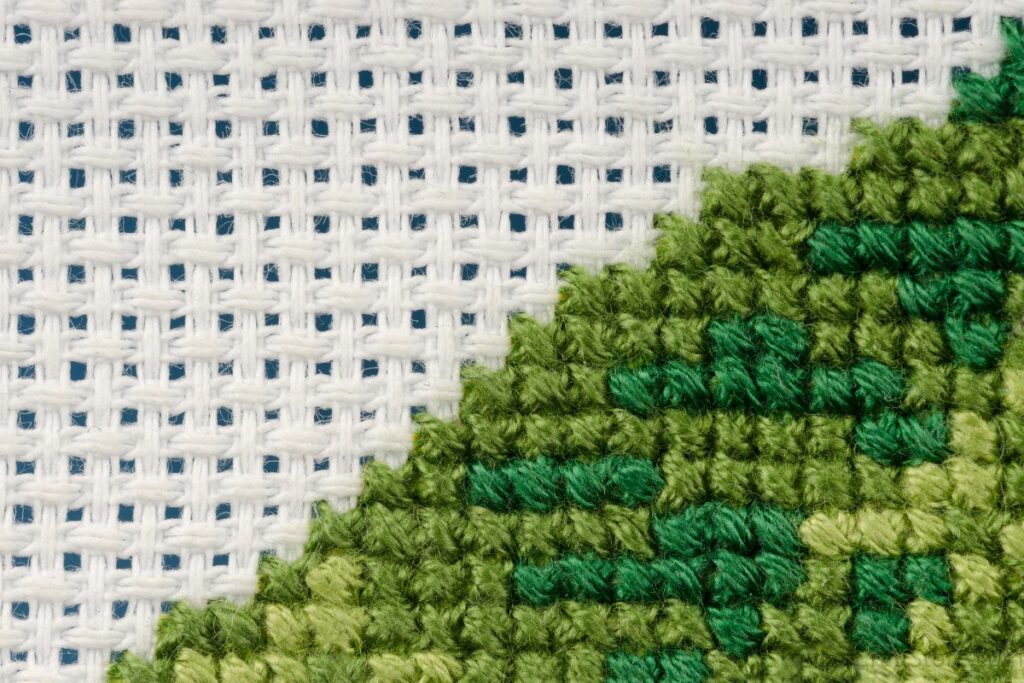
Cross-Stitch: This craft uses a single type of stitch—the cross or “X”—to create boxy designs. It requires precision with even-weave fabrics like Aida, making it easier for beginners due to its repetitive patterns and motions.
Embroidery: Unlike cross-stitch, embroidery offers a variety of stitches, from basic running stitches to complex ones like French knots. This allows for free-flowing, intricate designs on different fabric types, including linen, cotton, and silk, providing great versatility.
Each craft uses different tools and equipment. Cross-stitch relies on specific fabrics and grid patterns, while embroidery kits include a broader range of materials, offering more artistic freedom. If you prefer structure and detailed work, cross-stitch might be for you. If you enjoy flexibility and creative expression, choose embroidery.
Both crafts have learning curves but offer satisfying and rewarding experiences, transforming simple materials into beautiful handiworks.
Comparison Table:
| Aspect | Cross-Stitch | Embroidery |
|---|---|---|
| Stitch Type | Single (Cross or “X”) | Various (e.g., Running, French Knot, Satin) |
| Design Style | Boxy | Free-flowing |
| Fabric | Even-weave (like Aida) | Variety (linen, cotton, silk) |
| Tools Required | Specific fabrics, grid patterns | Broad range, more artistic freedom |
| Skill Level | Beginner-friendly due to repetition | Varies with stitch complexity |
| Creative Freedom | Structured | Flexible |
The Charm Of Needle Felting: How It Differs From Embroidery
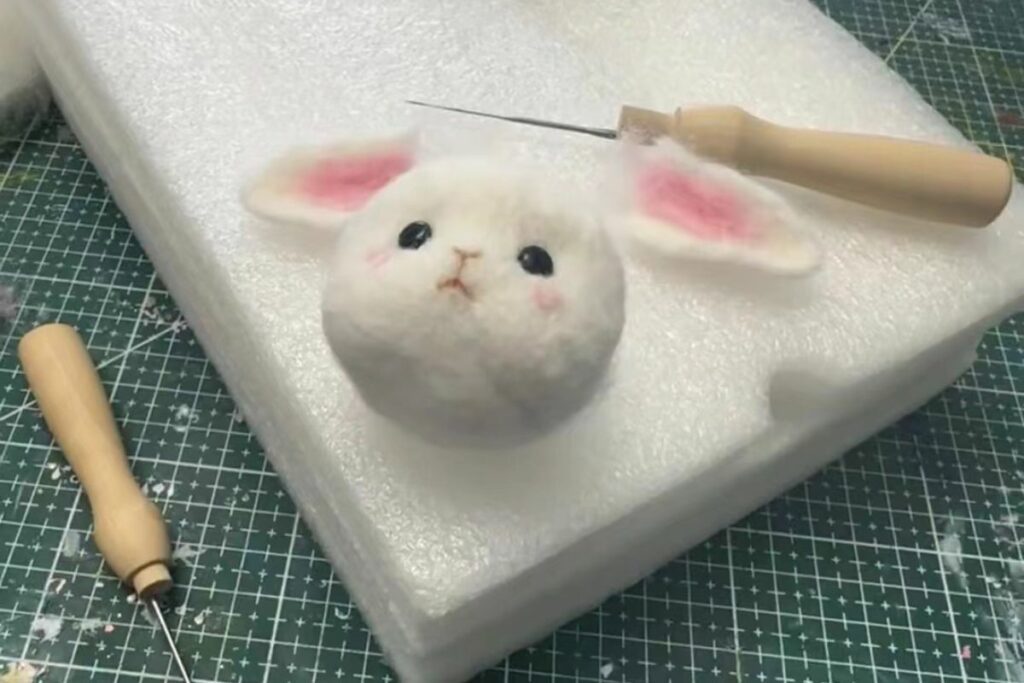
While embroidery uses a needle and thread to decorate fabric, needle felting offers a different experience. Instead of stitching, needle felting sculpts wool fibers into shapes using a special, barbed needle. This allows you to create three-dimensional art, which is different from the flat designs made in embroidery.
Needle felting’s main charm is its versatility and texture. You can make many things, from cute felted animals to wall hangings and even useful items like coasters. If embroidery feels too strict or you want to try making more sculptural forms, needle felting could be a perfect fit.
Needle felting is also beginner-friendly. The materials are cheap, and you don’t need a pattern to begin. It’s all about shaping the wool into your desired design, making it an easy and fun hobby to start.
| Aspect | Embroidery | Needle Felting |
|---|---|---|
| Technique | Stitching with needle and thread | Pushing wool fibers with a barbed needle |
| Outcome | Flat, often colorful designs | 3D, woolen sculptures |
| Material | Fabric and thread | Wool |
| Flexibility | High design freedom | High in creating forms |
Comparing Embroidery To Punch Needle
Embroidery and punch needle both involve creating patterns on fabric, but they differ significantly in technique and texture. Embroidery uses a needle and thread to create detailed designs with various stitches like satin, chain, and backstitch. This method allows for intricate and finely detailed work, offering greater flexibility in design. Punch needle, on the other hand, uses a hollow needle to punch loops of thread through fabric, creating a textured, raised surface. It is typically faster and easier for beginners compared to traditional embroidery.
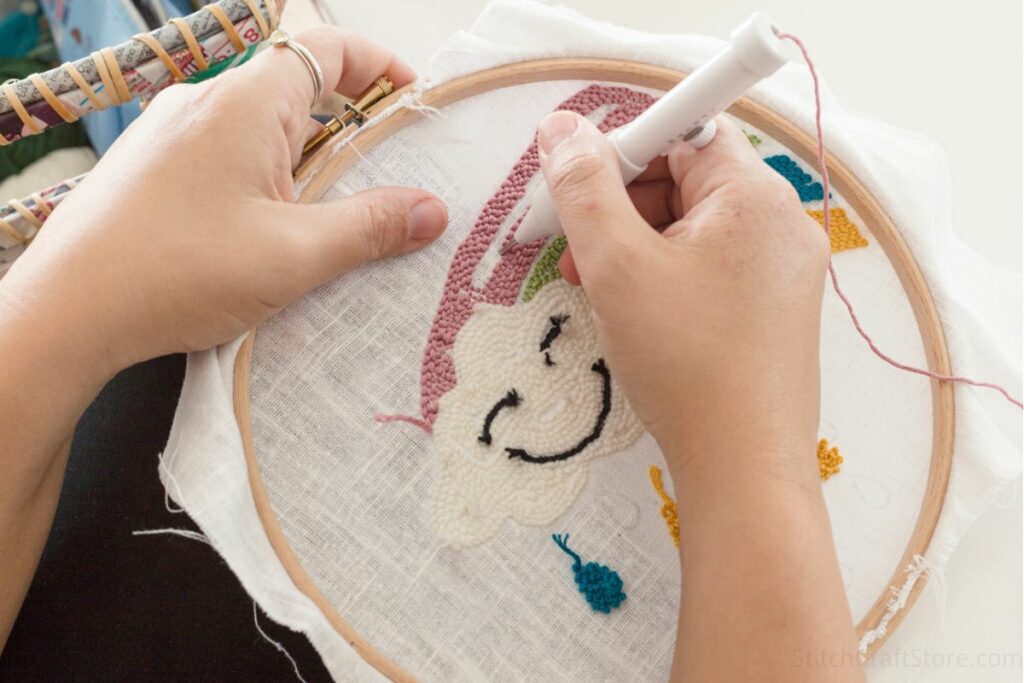
Let’s delve into the key differences:
| Aspect | Embroidery | Punch Needle |
|---|---|---|
| Technique | Various stitches with a regular needle and thread | Looping technique with a hollow needle |
| Texture | Flat and detailed | Raised and textured |
| Speed | Moderate to slow | Generally faster |
| Difficulty | Can be complex and intricate | More accessible for beginners |
How Embroidery Can Be A Relaxing And Rewarding Hobby
Embroidery is a perfect mix of relaxing and being creative. When you sit with a needle and thread, you enter a calm world. Each stitch is like a meditation, letting you forget daily stress and just enjoy the process.
Embroidery is calming and gives you a great sense of achievement. Watching your project grow with each stitch is very fulfilling. You’re making art and something useful, like a pretty pillow, a special gift, or a beautiful wall hanging.
Embroidery also connects you with others. From online groups to local meetups, there’s a big community of people to share tips and stories with. Whether you’re new or experienced, you’ll always find someone to learn from.
Embroidery has surprising health benefits too. Many find it helps reduce anxiety and improves mental health. The repeated motion of stitching can be very soothing, offering a break from screens and the digital world.
In short, embroidery is more than just a hobby. It helps you relax, get creative, and connect with others. So why not start today? You might find it’s the perfect way to beat modern life’s stress.