
Have you ever heard of scuba fabric and wondered what it’s all about? This unique material is a thick, stretchy synthetic textile that has a smooth surface and slightly spongy feel. Scuba fabric is typically made from a blend of polyester and spandex in a double-knit construction, giving it both structure and flexibility.
Scuba fabric gets its name from its connection to neoprene, the material used in diving suits. While the two are sometimes used interchangeably, modern scuba fabric has evolved for fashion use. You’ll find it in skirts, dresses, and other garments where you want some structure without stiffness.
What makes scuba fabric special is its ability to hold shape while still moving with your body. Its thickness provides insulation and its smooth surface gives garments a polished look. Whether you’re sewing your own clothes or shopping for ready-made items, understanding scuba fabric helps you make better choices for your wardrobe.
Understanding Scuba Fabric
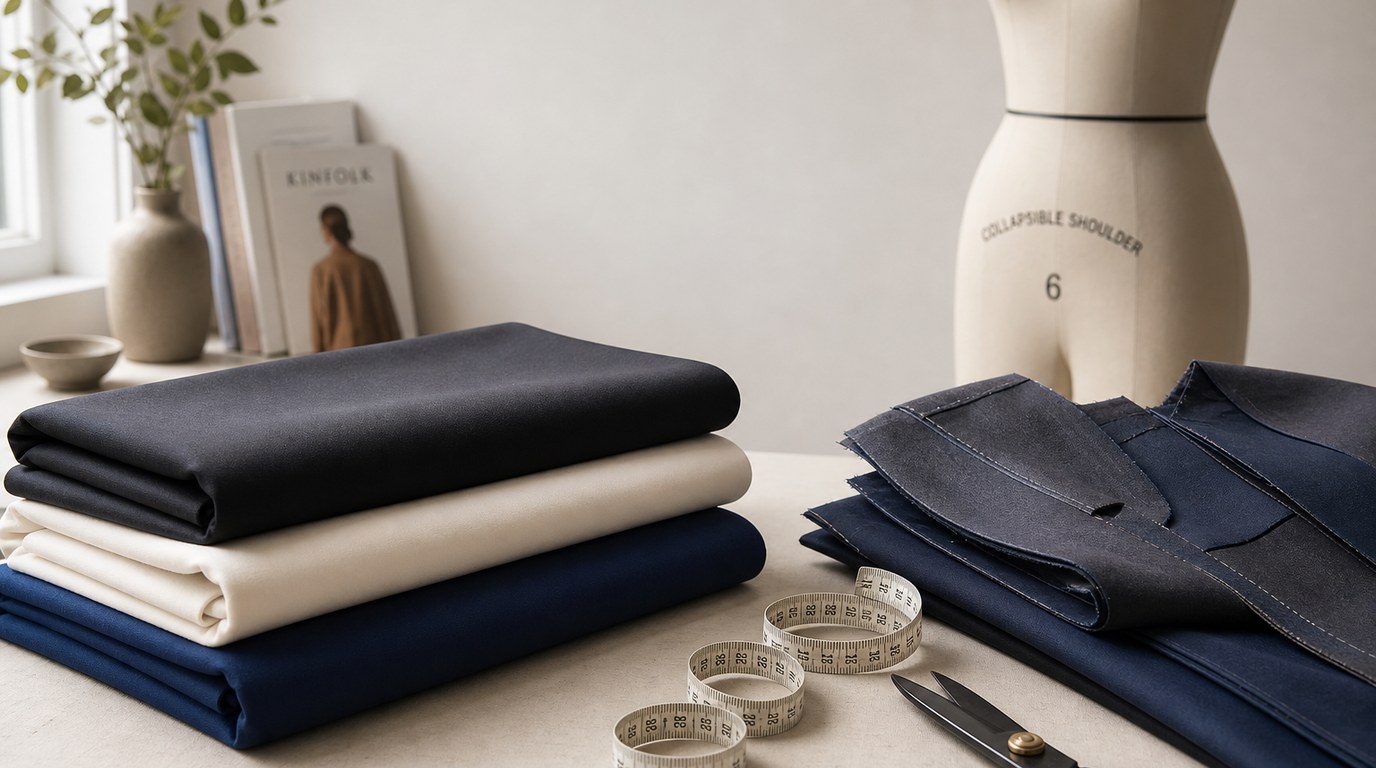
Scuba fabric is a modern textile that has gained popularity in fashion despite its name suggesting underwater use. It offers structure and comfort that makes it versatile for many types of clothing.
Composition and Varieties
Scuba fabric is primarily a double knit material made from polyester blended with stretchy fibers like spandex or Lycra. This combination gives you both stability and flexibility. The typical blend contains mostly polyester (around 90%) with 5-10% elastane for stretch.
Despite common confusion, scuba fabric is not the same as neoprene. Neoprene is thicker and designed specifically for water sports. True neoprene was originally developed by DuPont for diving gear.
You’ll find scuba fabric in various weights and textures. Lighter versions work well for dresses and tops, while heavier varieties provide more structure for skirts and jackets.
Some specialty scuba fabrics may include cotton blends, like the 85% cotton/10% polyester/5% elastane variety mentioned in the search results.
Characteristics of Scuba Fabric
Scuba fabric has a smooth texture with a fine gauge thread that feels soft against your skin. It offers excellent two-way stretch, allowing you to move comfortably while maintaining its shape.
The fabric has a subtle sheen and full body drape on both sides, making it look polished and professional. This lofty texture provides structure without stiffness.
When you work with scuba fabric, you’ll notice it doesn’t fray easily like woven fabrics. It’s also easy to sew with standard sewing equipment.
The fabric has excellent recovery, bouncing back to its original shape after stretching. This makes it perfect for fitted garments that need to maintain their structure throughout the day.
Scuba fabric is also relatively wrinkle-resistant and easy to care for, making it a practical choice for everyday clothing.
The History of Scuba Fabric
Scuba fabric has an interesting history that dates back to the early 20th century. This synthetic material has changed over time to become the versatile fabric we know today.
Origins and Evolution
Scuba fabric was first created in the 1930s by chemists at DuPont. They developed neoprene, the original scuba material, as a waterproof option for diving suits. That’s actually where the name comes from – “scuba” refers to its early use in diving equipment!
Over time, scuba fabric evolved beyond just wetsuits. Modern scuba knit is a double-knit polyester blend that often includes spandex or lycra for stretch. This gives you a fabric that holds its shape while still being comfortable to wear.
The United States and China became major producers of scuba fabric. While original scuba material was thicker and primarily functional, today’s version is more fashion-forward.
Manufacturers discovered that adding nylon or other synthetic fibers could improve the fabric’s performance. This makes your scuba garments more durable and gives them that smooth, polished look you love.
Scuba Fabric in Fashion
Scuba fabric has made a splash in the fashion world due to its unique texture and versatility. This stretchy, supportive material creates structured garments that hold their shape while remaining comfortable.
Contemporary Uses
You’ll find scuba fabric in many modern fashion items. It’s perfect for form-fitting dresses that smoothly skim your body without clinging too tightly. The fabric’s structure allows for clean lines and bold silhouettes in skirts, jackets, and tops.
Designers love scuba for creating statement pieces with architectural details. The fabric holds pleats, folds, and flares beautifully, making it ideal for fashion-forward designs.
Many brands offer scuba pieces in one-size options since the material has natural stretch that accommodates different body types. The fabric also works well for color-blocking and bold prints because of its smooth surface and vibrant color retention.
Maintaining Style and Comfort
Taking care of your scuba garments is pretty simple! You can machine wash most items on a gentle cycle with cold water. Avoid using bleach or harsh detergents that might damage the synthetic fibers.
Let your scuba pieces air dry instead of using a dryer. High heat can warp the fabric’s structure and reduce its stretchiness over time.
If you notice wrinkles, use a steamer instead of an iron. Direct heat can damage scuba fabric. For storage, hang structured pieces like dresses and jackets to maintain their shape.
The best part about scuba fashion items is their durability. With proper care, your favorite scuba pieces will keep their vibrant colors and shape for many seasons!
How to Sew with Scuba Fabric
Sewing with scuba fabric can be fun and rewarding once you understand a few key techniques. This polyester-spandex blend requires specific approaches to get the best results from your projects.
Tools and Techniques
To start sewing with scuba fabric, you’ll need the right tools. Use a stretch needle (size 70/10 or 80/12) to prevent skipped stitches and fabric damage. A walking foot attachment helps feed this thick fabric evenly through your machine.
Set your machine to a slight zigzag stitch rather than a straight stitch. This gives your seams flexibility to move with the fabric. When cutting scuba, use sharp scissors or a rotary cutter for clean edges.
Pin carefully within the seam allowance to avoid leaving visible holes. Better yet, try using clips instead of pins! The fabric’s thickness means you often don’t need to hem edges—a simple clean cut works well for many projects.
Sewing Tips for Beginners
Start with simple projects like cushion covers or pencil skirts. Scuba’s stable nature makes it forgiving for beginners while still looking professional.
Test your stitches on scraps first. Adjust tension if needed—scuba sometimes requires looser tension than normal fabrics.
When pressing, use a low heat setting and a pressing cloth to protect the poly-based fabric. Too much heat can melt or damage scuba.
Avoid stretching the fabric while sewing. Let the machine do the work without pulling or pushing. For a professional finish, try topstitching with a twin needle for stretchable, decorative seams.
Remember that scuba doesn’t fray, giving you options for creative, unfinished edges in your designs!
Caring for Scuba Fabric
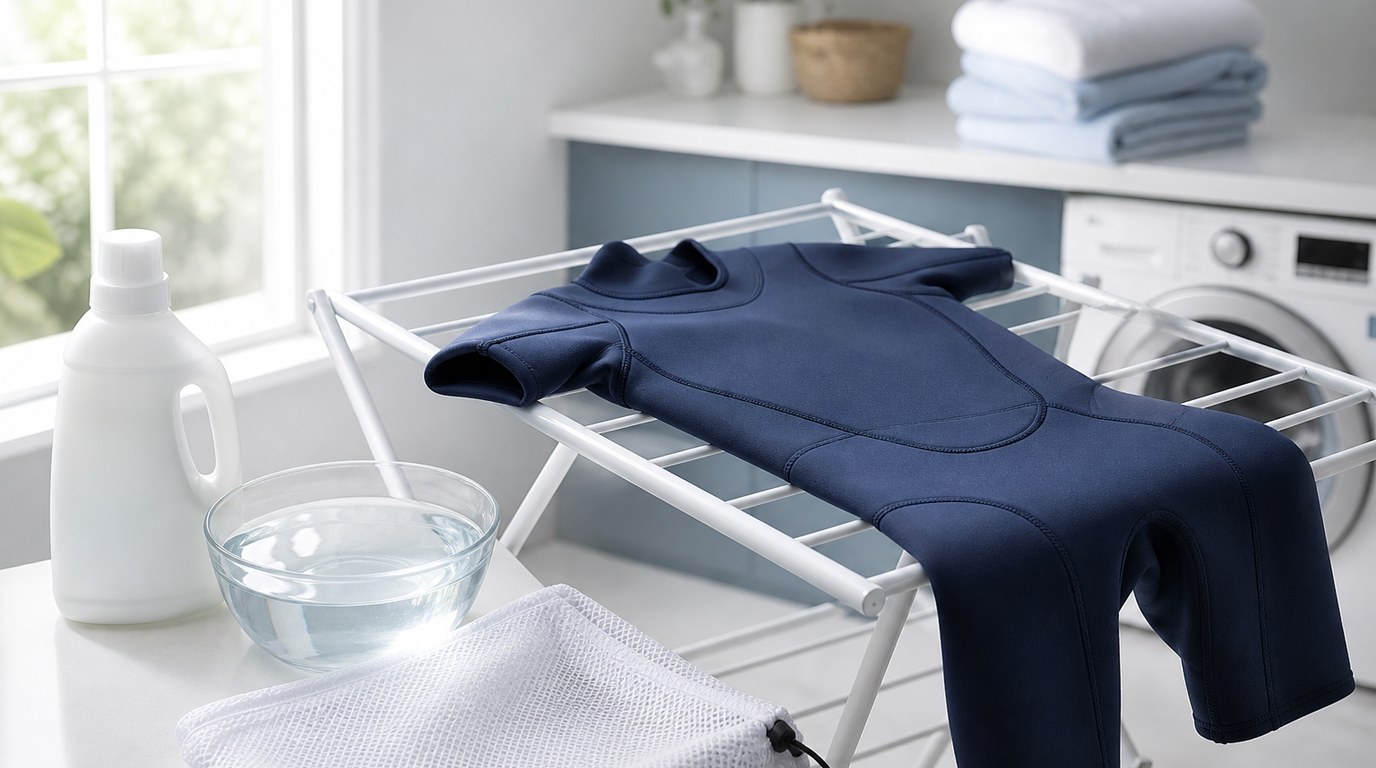
Proper care extends the life of your scuba fabric garments. With the right washing techniques and handling, you can keep your scuba items looking fresh and maintaining their stretch and shape.
Washing and Drying Recommendations
Machine washing your scuba fabric is perfectly fine, but remember to use cold water to prevent damage to the fabric’s elasticity. Turn your garments inside out before washing to protect the surface from pilling or snagging.
Always use the delicate cycle and mild detergent. Avoid bleach and fabric softeners as they can break down the synthetic fibers.
For drying, it’s best to air dry your scuba items flat. If you need to soften the fabric after air drying, you can toss it in the dryer on a cool setting for about 10 minutes. This helps maintain the fabric’s softness without damaging its structure.
Prolonging the Lifespan of Scuba Items
Never iron scuba fabric directly! The heat can melt or damage the synthetic fibers. If you need to remove wrinkles, use a steamer held several inches away from the fabric. For stubborn wrinkles, you can use a pressing cloth and iron on the lowest heat setting.
Store your scuba items folded rather than hanging to prevent stretching over time. Keep them away from direct sunlight when not wearing them, as UV rays can fade colors and weaken the fabric.
Avoid contact with rough surfaces that might cause snags. Remove jewelry before putting on or taking off scuba garments to prevent catches and pulls.
With proper care, your scuba fabric items can maintain their shape and elasticity for years to come!
Purchasing Scuba Fabric
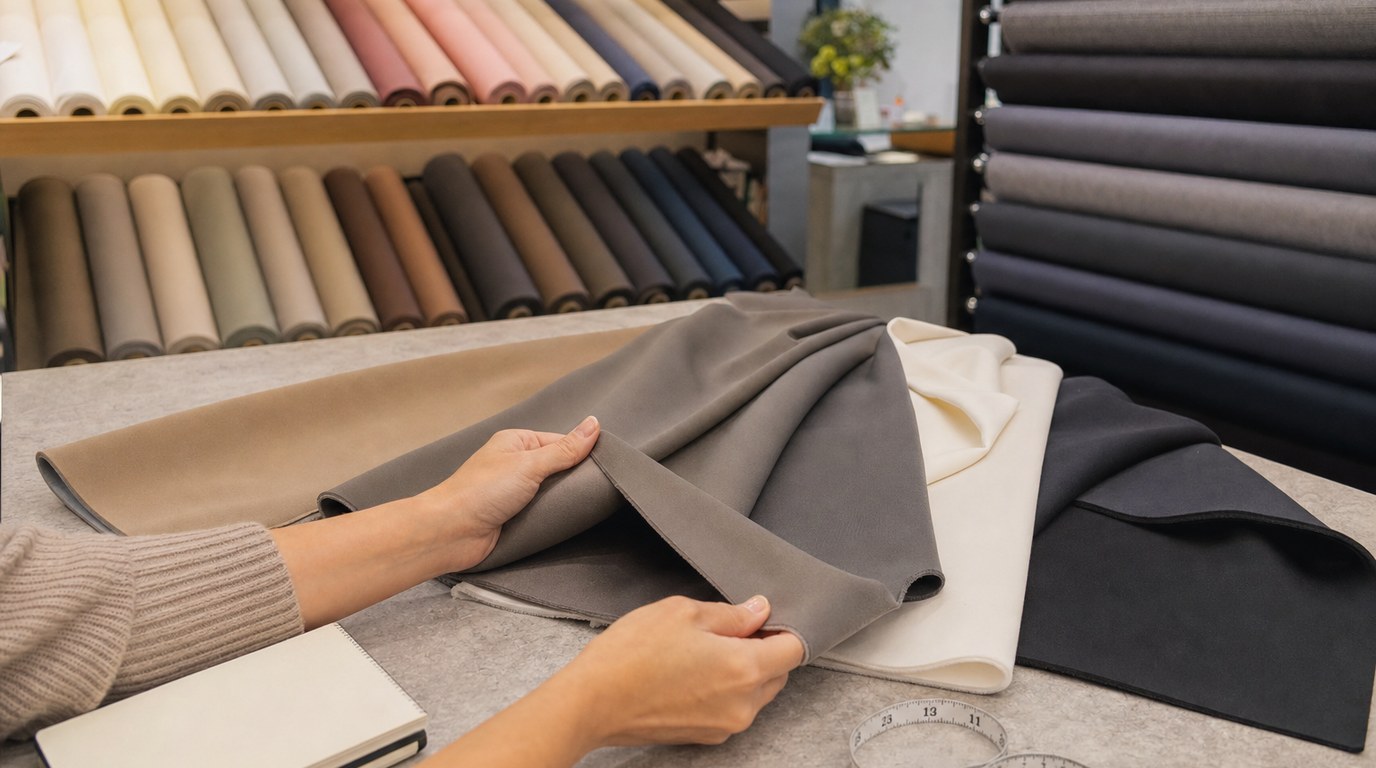
Finding quality scuba fabric requires knowing where to shop and how to evaluate the material before buying. The right store and a few simple quality checks can help you get the best fabric for your projects.
Where to Buy
You can find scuba fabric in several places both online and offline. Local fabric stores like Joann Fabrics or Hobby Lobby often carry basic scuba fabric in their inventory. These stores let you feel the fabric before purchasing, which is a big advantage.
Specialty fabric shops might offer higher quality or more unique patterns. To find a store near you that carries scuba fabric, try searching online for “fabric stores” plus your city name.
Online retailers like Fabric.com, Mood Fabrics, and HairBow Center offer wider selections. Wholesale options from places like Zelouf Fabrics can save you money if you need larger quantities.
Etsy and eBay are good for finding unique prints or smaller cuts from independent sellers.
Evaluating Quality Before Buying
When shopping for scuba fabric, stretch the material between your hands to test its recovery. Good quality scuba should stretch well and bounce back to its original shape quickly.
Check the thickness by holding it up to the light. Quality scuba fabric should be substantial without being too heavy. The double-knit construction should create a smooth, even texture on both sides.
Feel the fabric’s surface – it should be soft and smooth without snags or pills. Premium scuba typically has a slight sheen and feels substantial in your hands.
Look at the color saturation. High-quality scuba holds vibrant colors and patterns well without fading. Ask for a sample swatch if buying online to check the actual color and feel before committing to a larger purchase.
Online Shopping for Scuba Fabric
Finding scuba fabric online gives you access to a wider selection of colors, weights, and blends than most physical stores carry. Many online retailers offer detailed descriptions and user reviews to help with your selection.
Navigating Online Sales
When shopping for scuba fabric online, look for stores that provide clear information about the fabric content. The best retailers will specify the exact blend (like 85% cotton/10% polyester/5% elastane or 100% polyester). Pay attention to fabric weight too – this affects how the material drapes and feels.
Always check if the store offers sample swatches before you commit to buying several yards. This small investment can save you from disappointment later!
Many fabric sites run seasonal sales, especially during holiday periods. Sign up for newsletters from your favorite fabric stores to get alerts about upcoming discounts.
Be cautious about “final sale” items. While the prices might be tempting, these purchases typically can’t be returned even if the color doesn’t match what you saw on screen.
Understanding Shipping and Returns
Shipping costs can significantly impact your total purchase price. Many online fabric stores offer free shipping with minimum orders (often $50-100). If you’re buying just a small amount, compare shipping rates between sites.
Watch out for international shipping fees if ordering from overseas suppliers. These can include customs charges that might surprise you later!
Return policies vary widely between online fabric retailers. Some allow returns of uncut fabric within 30 days, while others consider all fabric sales final once cut from the bolt.
Keep all packaging until you’re sure you’re happy with your fabric. Most returns require original packaging.
For heavier scuba fabrics, shipping costs might be higher due to weight. Factor this in when comparing prices between different online stores.
Making the Most Out of Scuba Fabric
Scuba fabric’s unique properties make it perfect for many different projects. Its structure, durability, and stretch allow you to create items that hold their shape while providing comfort.
Creative Projects Ideas
You can use scuba fabric for so many fun projects! Try making insulated lunch bags that keep your food at the right temperature. The fabric’s structure helps these bags stand up on their own.
Cross-body bags and laptop cases work well with scuba too. The fabric provides natural padding and protection for your electronics without adding bulk.
For home décor, consider making:
- Decorative throw pillows
- Modern placemats
- Stylish ottoman covers
Scuba’s body-hugging nature makes it great for fitted clothing like:
- Pencil skirts
- Form-fitting dresses
- Structured jackets
This double-knit fabric is also perfect for costumes and cosplay because it holds shapes well. You can even make drink cozies to keep your beverages insulated!
When working with scuba, remember it doesn’t fray, so you don’t need to finish the edges for many projects. This saves you time and gives your creations a clean look.
Consumer Insights on Scuba Fabric
When shopping for scuba fabric, knowing what other buyers think can help you make better decisions. Real-world experiences from customers reveal the fabric’s true performance beyond technical descriptions.
Reading and Interpreting Reviews
Reviews for scuba fabric often highlight its durability and color retention as major selling points. You’ll notice many reviewers mention how well it holds its shape even after multiple washes.
“The colors stayed bright even after several washes” is a common theme in positive feedback. Customers particularly appreciate this fabric for formal wear and costumes.
Some reviews point out that scuba fabric can feel warm when worn for extended periods. This is useful information if you’re considering it for summer clothing.
In Q&A sections, frequent questions include care instructions. Most users report that the fabric is machine washable but recommend air drying to maintain its structure.
Look for reviews that mention the weight and drape of the fabric. Some buyers find thinner scuba varieties more comfortable for everyday wear, while thicker options work better for structured garments.
Cost Considerations
When shopping for scuba fabric, it’s helpful to understand what affects its price and how to find options that fit your budget. The manufacturing process and material quality play big roles in what you’ll pay.
Pricing and Affordability
Scuba fabric typically falls in the mid-range price category compared to other fabrics. You can expect to pay more for scuba than basic cotton, but less than premium silk or wool options. On average, scuba fabric costs between $8-15 per yard, depending on quality and where you purchase it.
The advanced manufacturing process contributes to its cost. Scuba requires special knitting techniques to create its distinctive double-knit structure with insulating properties.
Some shoppers find neoprene (a type of scuba fabric) “a little expensive,” but many feel the investment is worthwhile because of its durability. The thick, comfortable material often lasts longer than thinner fabrics.
If you’re on a budget, watch for fabric store sales or buy in bulk. You save significantly when purchasing multiple yards at once, as many retailers offer volume discounts.