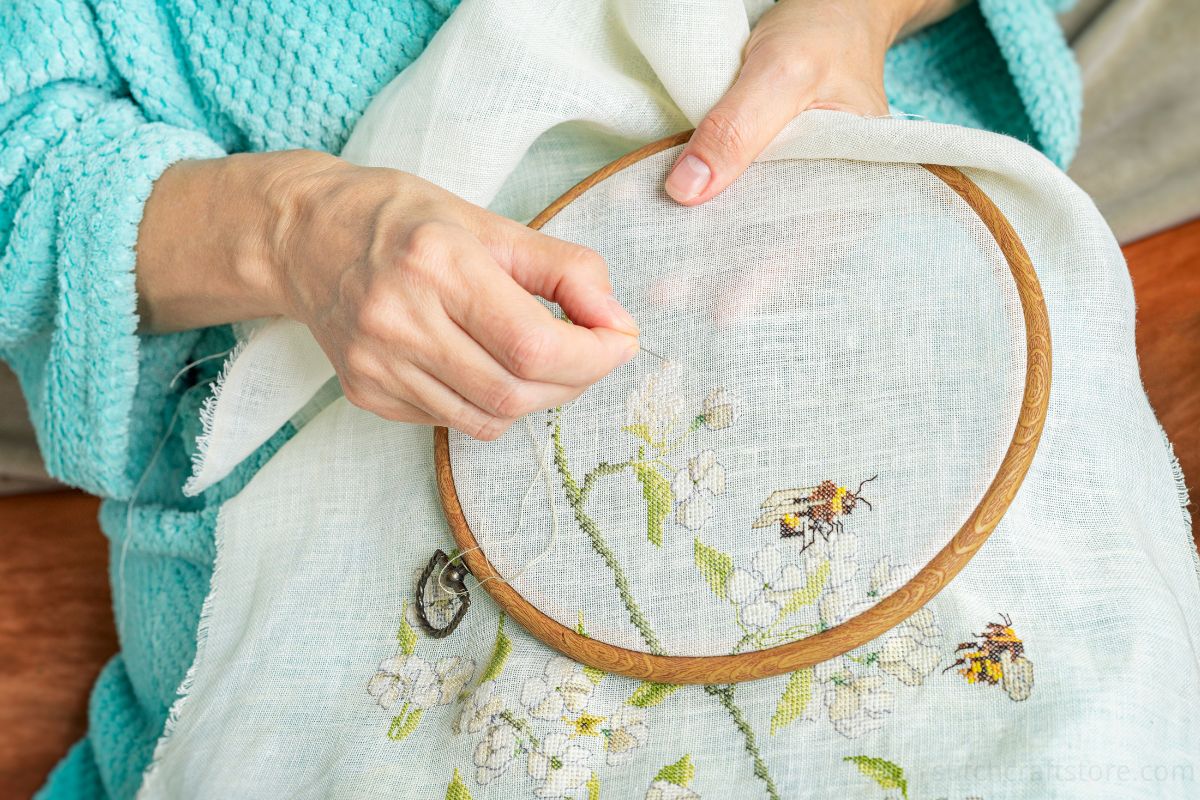
Embroidery is the art of decorating fabric with needle and thread. It offers numerous benefits, including stress relief, improved hand-eye coordination, creative expression, cognitive enhancement, and a sense of achievement. Embroidery also provides mental health benefits, physical health improvements, and opportunities for personal and professional growth.
Key Takeaways
- Stress relief and relaxation through meditative stitching
- Improved hand-eye coordination and fine motor skills
- Outlet for creative expression and artistic pursuits
- Cognitive function enhancement and potential delay of age-related decline
- Boost in self-esteem and sense of achievement
Definition of embroidery
Embroidery is a beautiful and intricate craft that involves decorating fabric or other materials with needle and thread. It’s a versatile art form that allows for endless creativity and personal expression. 🎨
Brief history and cultural significance
Embroidery has been around for thousands of years, with roots in ancient civilizations like China, Egypt, and Persia. Throughout history, it has served as a means of storytelling, cultural expression, and artistic creation. Today, embroidery continues to be an important part of many cultures worldwide. 🌍
The Top Benefits of Embroidery: A Comprehensive Overview
Stress relief and relaxation
One of the most significant benefits of embroidery is its ability to reduce stress and promote relaxation. The repetitive nature of stitching can be incredibly calming, helping to quiet the mind and ease anxiety. Many people find that embroidery serves as a form of meditation, allowing them to focus on the present moment and let go of worries. 😌

Improved hand-eye coordination and fine motor skills
Embroidery requires precise movements and careful attention to detail. Regular practice can significantly improve your hand-eye coordination and fine motor skills. This can be especially beneficial for children developing these skills or older adults looking to maintain dexterity. 👀✋
Creative expression and artistic outlet
Embroidery provides a wonderful outlet for creative expression. Whether you’re following a pattern or creating your own designs, embroidery allows you to bring your ideas to life through color, texture, and stitches. It’s a fantastic way to express yourself artistically and create unique, personalized items. 🎭
Cognitive function enhancement
Engaging in embroidery can help maintain and even improve cognitive function. The process of planning designs, counting stitches, and following patterns exercises your brain, potentially delaying age-related cognitive decline. It’s a fun and creative way to keep your mind sharp! 🧠
Sense of achievement and self-esteem boost
Completing an embroidery project, no matter how small, provides a wonderful sense of achievement. Seeing your finished work can boost your self-esteem and confidence, encouraging you to take on new challenges and explore your creative potential. 🏆

Mental Health and Well-being Benefits
Mindfulness practice through embroidery
Embroidery can be a form of mindfulness practice. The focus required to create each stitch helps bring your attention to the present moment, reducing stress and promoting a sense of calm. It’s a great way to practice mindfulness without the pressure of formal meditation. 🧘♀️
Anxiety and depression reduction
Many people find that embroidery helps alleviate symptoms of anxiety and depression. The combination of focused attention, creative expression, and the sense of accomplishment can lift mood and provide a positive distraction from negative thoughts. 💆♂️
Social connection and community building
Embroidery can be a social activity, offering opportunities to connect with others who share your interest. Joining embroidery groups or classes can help reduce feelings of isolation and foster new friendships. It’s a great way to build community and share your passion with others. 👥
Physical Health Benefits
Improved dexterity and finger strength
The precise movements required in embroidery can improve dexterity and strengthen the muscles in your fingers and hands. This can be particularly beneficial for those with arthritis or other conditions affecting hand mobility. 💪
Better posture and reduced eye strain
While it’s important to maintain good posture and take breaks, embroidery can encourage you to sit up straight and focus your eyes on detailed work. With proper ergonomics, this can lead to improved posture and potentially reduce eye strain when compared to activities like prolonged screen time. 👀
Potential pain management for arthritis and other conditions
Some people with arthritis or other chronic pain conditions find that embroidery helps manage their symptoms. The gentle, repetitive motions can increase blood flow and flexibility in the hands and fingers, potentially reducing pain and stiffness. 🤲
Personal and Professional Development
Skill acquisition and lifelong learning
Embroidery offers endless opportunities for learning and skill development. From mastering basic stitches to exploring complex techniques, there’s always something new to discover. This continuous learning process can be incredibly rewarding and keep your mind engaged throughout your life. 📚
Potential income source and entrepreneurship opportunities
For those who excel at embroidery, it can become a source of income. Many skilled embroiderers sell their creations online, at craft fairs, or through custom orders. Some even turn their passion into a full-fledged business, offering embroidery services or teaching classes. 💼
Customization of clothing and decor
Embroidery allows you to personalize and customize clothing, accessories, and home decor items. This skill enables you to create unique pieces that reflect your personal style or make thoughtful, one-of-a-kind gifts for friends and family. 🎁
Cultural and Educational Significance
Preservation of cultural heritage and traditional techniques
Embroidery plays a crucial role in preserving cultural heritage. Many traditional embroidery techniques and motifs have been passed down through generations, keeping cultural practices alive and vibrant. By learning and practicing these techniques, you contribute to the preservation of this rich heritage. 🏛️
Historical storytelling through embroidery
Throughout history, embroidery has been used to tell stories and record events. From medieval tapestries to modern-day narrative embroideries, this art form continues to be a powerful medium for storytelling and historical documentation. 📜
Educational value in schools and community programs
Embroidery can be a valuable educational tool in schools and community programs. It teaches patience, attention to detail, and creativity while also offering opportunities to learn about history, culture, and art. Many schools and community centers offer embroidery classes as part of their arts education programs. 🏫
Modern Applications of Embroidery
Fashion industry and contemporary design
Embroidery continues to play a significant role in the fashion industry. From high-end couture to everyday wear, embroidered details add texture, color, and unique flair to garments and accessories. Many contemporary designers are finding innovative ways to incorporate embroidery into their collections. 👗
Home decor and interior design
Embroidery is increasingly popular in home decor and interior design. Embroidered pillows, wall hangings, and other decorative items can add a personal touch and artistic element to any living space. 🏠
Technological innovations (e.g., embroidered circuit boards)
In recent years, embroidery has found surprising applications in technology. Researchers have developed techniques for creating embroidered circuit boards and wearable electronics, opening up new possibilities for integrating technology into textiles. 🔬
Getting Started with Embroidery
Basic techniques and common stitches
If you’re new to embroidery, start by learning some basic stitches like the running stitch, back stitch, and satin stitch. These fundamental techniques will form the basis for more complex designs as you progress. 🧵
Essential tools and materials
To get started with embroidery, you’ll need some basic supplies:
- Embroidery hoops
- Needles
- Embroidery floss
- Fabric
- Scissors
- Transfer tools (for patterns)
Resources for beginners (books, online tutorials, classes)
There are many resources available for beginners:
- Online tutorials and video courses
- Embroidery books and pattern books
- Local classes or workshops
- Embroidery kits for beginners
Don’t be afraid to start simple and work your way up to more complex projects as you gain confidence and skill. 📖
Conclusion
Embroidery offers a wide range of benefits, from stress relief and improved mental health to opportunities for creative expression and personal growth. Whether you’re looking for a relaxing hobby, a way to express your creativity, or a potential business opportunity, embroidery has something to offer everyone. Why not pick up a needle and thread and discover the joys of embroidery for yourself? 🎉