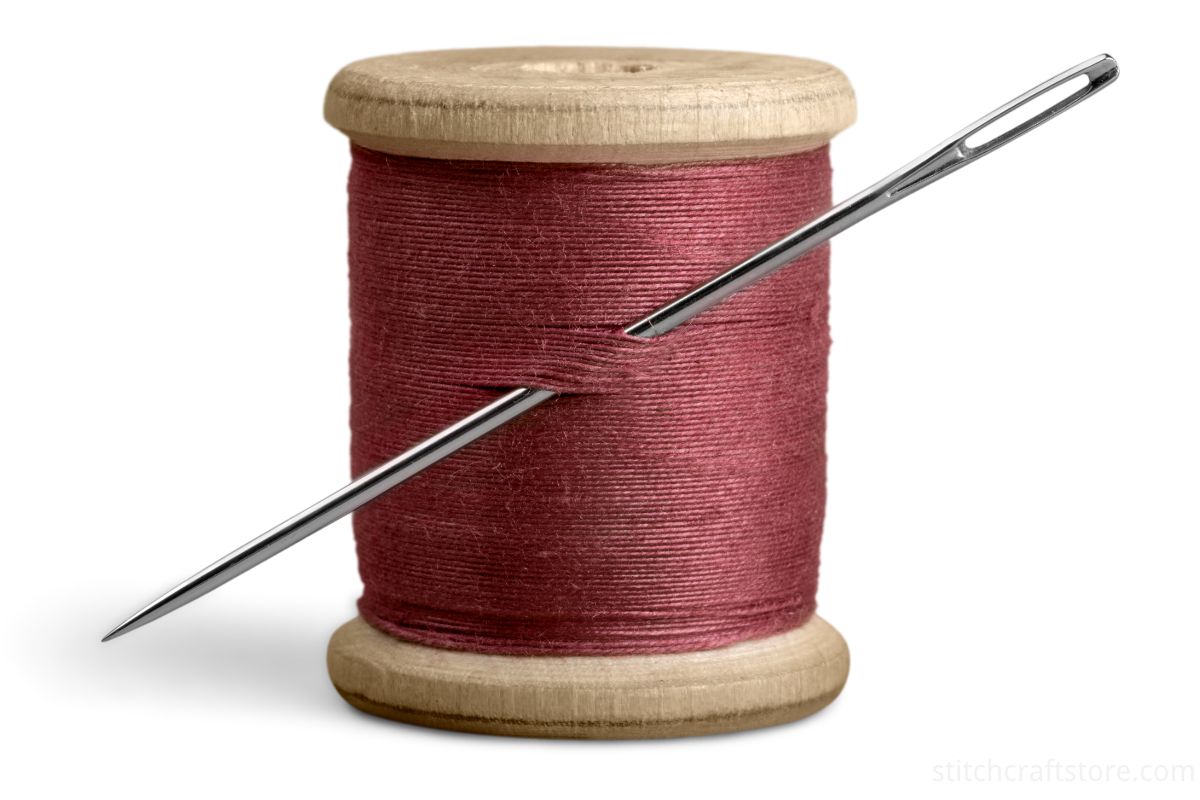
Yes, you can use sewing thread for embroidery, but it’s important to understand the differences between sewing and embroidery threads. While both can be used interchangeably in some cases, each has unique properties that make them better suited for specific tasks.
Key Takeaways:
- Sewing thread can be used for light embroidery work
- Embroidery thread is designed for decorative stitching
- Thread type affects appearance, strength, and fabric compatibility
- Project requirements should guide your thread choice
- Experimentation is key to finding the best results
Understanding Thread Types
When it comes to sewing and embroidery, not all threads are created equal. Let’s break down the main types of threads you’ll encounter:
Embroidery Thread
- Trilobal Polyester (modern)
- Shiny and lustrous appearance
- Strong and durable
- 100% colorfast
- Rayon (older, less durable)
- Soft and silky
- Less colorfast
- Not recommended for construction
Sewing Thread
- Polyester Cotton Core Spun
- Matte finish
- Blends well with fabric
- Ideal for construction and seaming
- Spun vs. Filament Threads
- Spun threads have a matte finish
- Filament threads are smoother and shinier
Comparing Embroidery and Sewing Threads
To help you make the best choice for your project, let’s compare embroidery and sewing threads across various aspects:
| Aspect | Embroidery Thread | Sewing Thread |
|---|---|---|
| Appearance | Shiny, lustrous | Matte, blends into fabric |
| Visibility on fabric | Stands out | Disappears into fabric |
| Strength | 600-700 grams of force | 600-700 grams of force |
| Stretch | More stretch | Less stretch |
| Color fastness | 100% color fast | Varies |
| Best use | Decorative, visible stitching | Seaming, construction |
Using Embroidery Thread for Sewing
While embroidery thread can be used for sewing, there are some pros and cons to consider:
Advantages:
- Wide range of colors available
- Strong and durable
- Colorfast
Disadvantages:
- Visible stitching (may not be desired)
- Potential puckering on light fabrics
🧵 Pro Tip: If you’re looking to add a decorative touch to your sewing project, embroidery thread can be a great choice for topstitching or visible seams.
Using Sewing Thread for Embroidery
Sewing thread can be used for embroidery, especially in certain situations:
Suitable Applications:
- Decorative stitching
- Light embroidery work
Considerations:
- Thread weight and thickness
- Fabric type
Tips for Success:
- Use multiple strands to achieve desired thickness
- Adjust machine tension to prevent puckering
- Choose high-quality polyester threads for better results
🎨 Creative Idea: Try using sewing thread for delicate embroidery work on fine fabrics like silk. The lighter weight can create beautiful, subtle designs.
Fabric Considerations
The type of fabric you’re working with plays a crucial role in thread selection:
- Light fabrics: Use lighter weight threads to prevent puckering
- Heavy fabrics: Can handle regular sewing thread or heavier embroidery thread
Machine vs. Hand Embroidery
Your embroidery method can influence your thread choice:
Machine Embroidery:
- Requires specific thread weights
- May need specialized embroidery thread
Hand Embroidery:
- More flexible with thread choices
- Can easily use sewing thread or embroidery floss
🖐️ Hands-on Tip: For hand embroidery, experiment with different thread types to achieve various textures and effects in your designs.
Tips for Choosing the Right Thread
When deciding between sewing and embroidery thread, consider:
- Project requirements: Is it decorative or functional?
- Desired appearance: Do you want the stitching to stand out or blend in?
- Fabric type: Light or heavy? Delicate or sturdy?
- Durability needs: Will the item be washed frequently?
Remember, there’s no one-size-fits-all answer. Sometimes, you might even want to mix different fabric types in your project, which can affect your thread choice.
Conclusion
While you can use sewing thread for embroidery and vice versa, understanding the properties of each thread type will help you make the best choice for your project. Experiment with different threads to find what works best for your specific needs and desired outcomes.
By considering factors like appearance, strength, and fabric compatibility, you’ll be well-equipped to choose the perfect thread for your next sewing or embroidery adventure. Happy stitching!